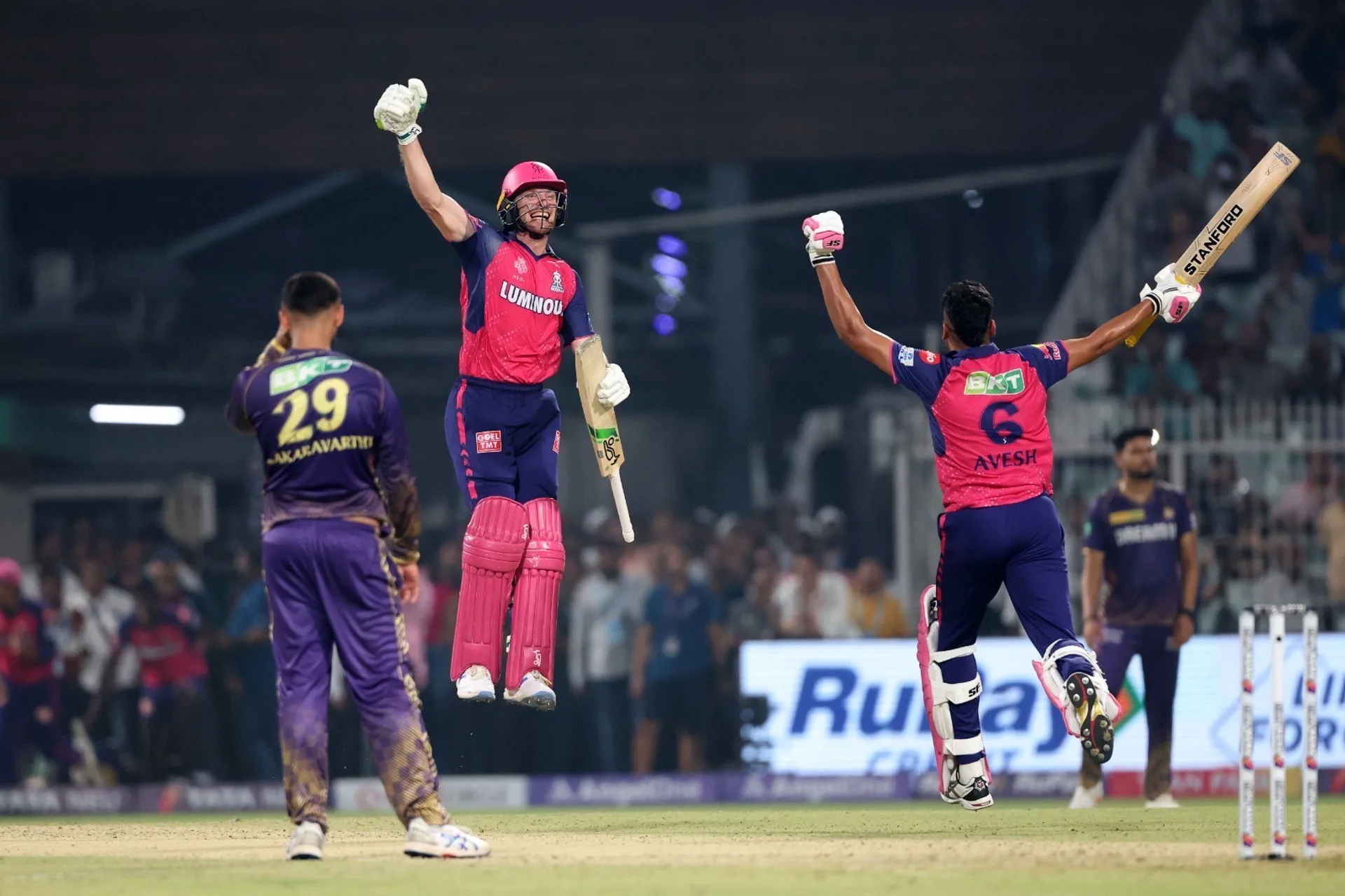

The Indian Premier League has quietly crossed a major threshold. What started as a cricket tournament is now firmly positioned as a global sports and media investment opportunity. That shift became clearer after reports emerged that Rajasthan Royals has received a preliminary acquisition offer of $1.3 billion.
This is not just a large headline valuation. It is a signal that IPL franchises are increasingly being valued as long-term intellectual property with predictable cash flows, scarcity value, and credible exit options for investors.
A Structured Sale Process, Not Market Noise
The potential transaction is being managed by Raine Group, which specialises in sports and media deals globally. The reported valuation floor is around $1.1 billion, and multiple bidders are participating in the process.
The lead offer of $1.3 billion has come from a consortium led by US-based entrepreneur Kal Somani, who already has an existing association with the franchise. The presence of multiple bidding rounds indicates a competitive process rather than a one-off negotiation.
For investors, this matters. Competitive bidding is where genuine price discovery happens.
Who Is Looking to Buy and Why It Matters
The buyer interest explains the sharp re-rating of IPL franchises.
A consortium backed by Times Internet chairman Satyan Gajwani is reportedly evaluating the asset. Global private equity firms such as Blackstone and Carlyle Group are also exploring investments across IPL franchises, including Rajasthan Royals and Royal Challengers Bengaluru.
This mix of media companies and financial investors makes one thing clear. Buyers are not betting on on-field performance. They are underwriting media rights, digital reach, brand longevity, and the long-term globalisation of cricket consumption.
Ownership Background and Exit Visibility
Rajasthan Royals is currently majority owned by Emerging Media Ventures, with minority stakes held by global sports investors including RedBird Capital.
For early investors, the current process highlights something new in the IPL ecosystem: credible institutional exits. IPL franchises are no longer illiquid, promoter-centric holdings. They are assets that can be monetised at scale.
Why an Eight-Week League Commands Billion-Dollar Valuations
At first glance, the numbers can feel counter-intuitive. The IPL runs for roughly eight weeks a year, yet teams are valued at well over a billion dollars.
The answer lies in the league’s centralised economics. Under the framework governed by the Board of Control for Cricket in India, franchises receive a share of central media rights revenue, in addition to income from sponsorships, ticketing, and merchandise.
Media rights are the core value driver. Investors are betting on sustained growth in broadcast and digital viewership over multiple rights cycles, rather than season-to-season match outcomes.
Valuation Benchmarks Are Moving Quickly
The Rajasthan Royals offer needs to be seen in the context of recent IPL transactions.
In 2024, CVC Capital Partners sold its stake in Gujarat Titans at a valuation of around $800 million.
A potential $1.3 billion valuation for Rajasthan Royals represents a clear step-up in benchmarks within a short time frame. Older franchises with stronger brand recall and established fan bases are now commanding a premium.
Broader Churn Across IPL Ownership
This development is not happening in isolation. Other franchise owners are also reassessing their positions.
Diageo, through United Spirits, has initiated a review of its stake in Royal Challengers Bengaluru. Meanwhile, Times Internet continues to expand its global cricket-focused media and intellectual property footprint.
Together, these moves suggest that IPL ownership is entering a phase of restructuring and re-pricing.
What This Means for Investors
From an investor perspective, three structural factors stand out.
Scarcity is absolute. There are only ten IPL franchises.
Revenue visibility is strong, driven primarily by long-term media rights.
Liquidity is now real, with strategic buyers and private equity funds actively participating.
This combination has shifted IPL teams into the category of institutional-grade unlisted assets.
Investor Takeaway
The reported $1.3 billion offer for Rajasthan Royals is not a speculative headline. It reflects how far the IPL has matured as an asset class.
For investors tracking unlisted opportunities, the implication is clear. IPL franchises are no longer passion projects or vanity assets. They are being valued as durable media and intellectual property platforms with global relevance and credible exit pathways.
Rajasthan Royals may simply be the transaction that makes this shift unmistakable.