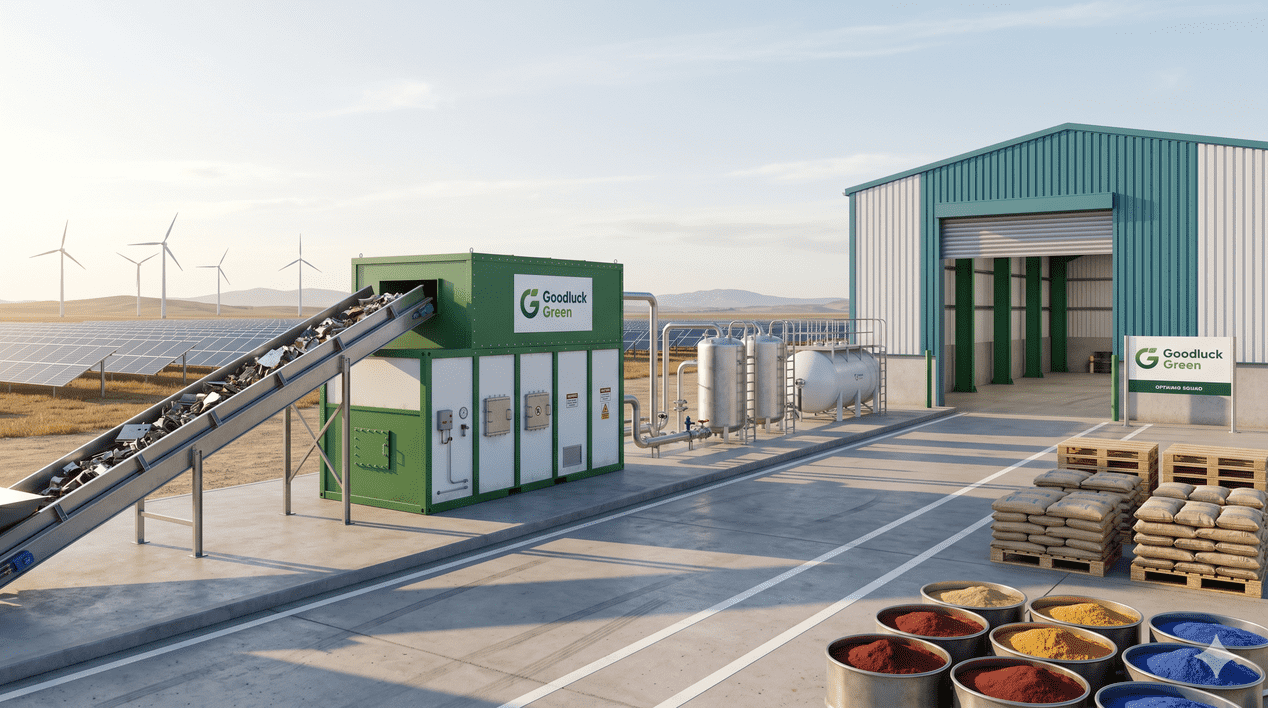

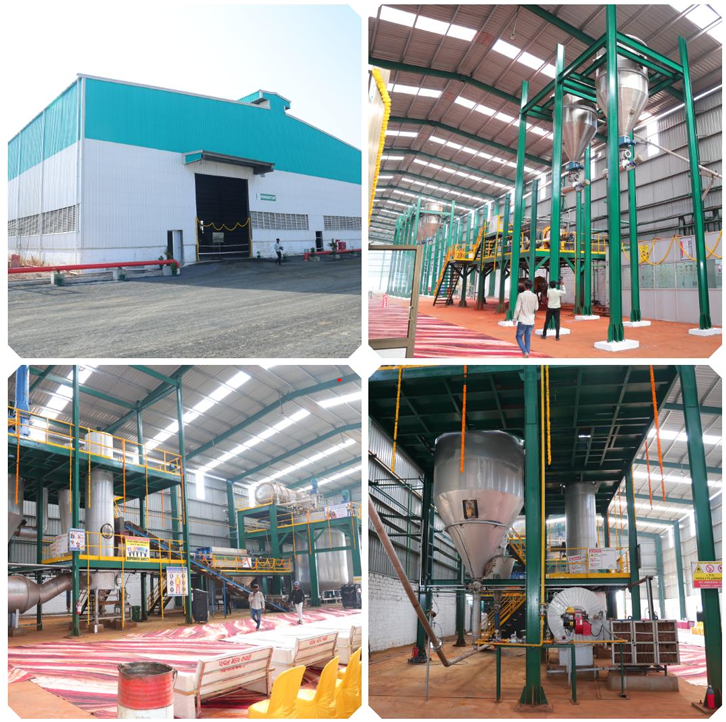
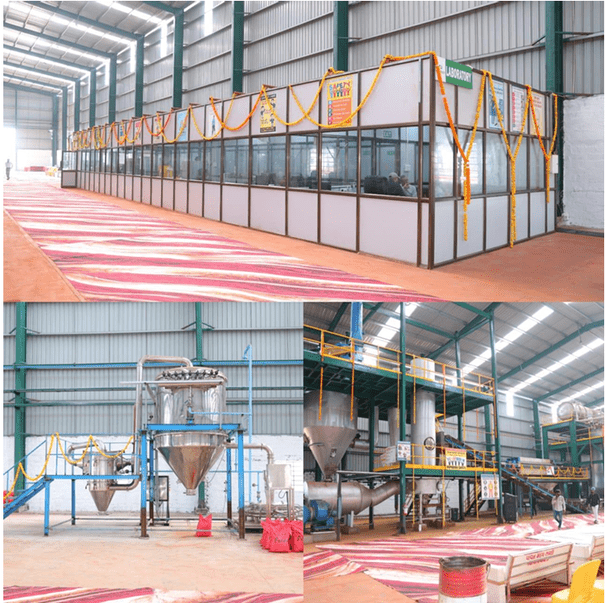
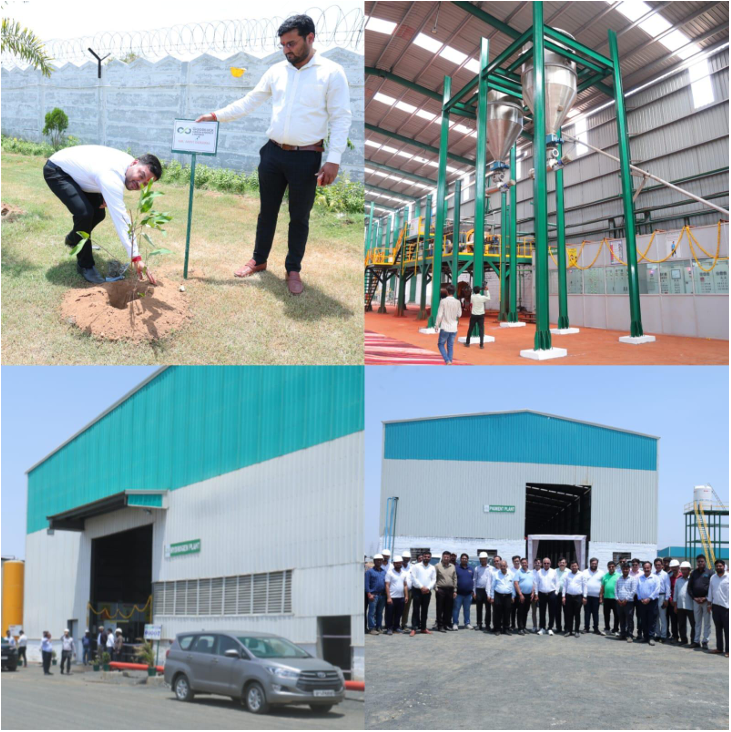
A green hydrogen idea has just become a working plant. On 1 May 2026, Goodluck Green Energy inaugurated its first commissioned facility in Sikara village, Kutch, Gujarat, moving the company out of the development stage and into real production. For investors tracking the unlisted share, this is the milestone that changes the story. The plant is live, the first products are flowing, and the growth runway is now in clear view.
A Working Plant, Now in Production
Phase 1 is already up and running. In a single step, the company has crossed from building to making, and it has done so with not one product but two. Current monthly output stands at:
- Hydrogen: 3 tonnes a month, feeding India's growing clean energy demand.
- Industrial pigment: 100 tonnes a month, opening a second and separate revenue market.
Two Products From One Process
That second product is the heart of what makes Goodluck Green different. Most green hydrogen projects rely on splitting water with renewable power, which leaves them dependent on a single output and a single market. Goodluck Green takes a sharper route. It uses industrial solid waste and effluent as its raw material, converts that into hydrogen, and processes the leftover solids and liquids into pigment.
One process, two saleable products. This is the core of the company's waste-to-wealth approach, and it gives the business a kind of revenue diversity that single-product hydrogen plants simply do not have.
A Third Revenue Stream on the Horizon: Carbon Credits
The opportunity does not stop at hydrogen and pigment. Because the model is built around low-carbon production and turning industrial waste into useful products, the company is positioned to tap India's fast-developing carbon market. India's Carbon Credit Trading Scheme is moving from framework toward live trading through 2026, and low-carbon, waste-based projects sit within the kind of activity the market is designed to reward. As the company registers and verifies its emissions performance, carbon credits could become a future revenue stream layered on top of product sales, adding a third leg to the business over time.
The Expansion Roadmap
The plant running today is only the starting point. The company plans to scale up significantly over the next 14 to 18 months:
- Hydrogen target: lifting output toward roughly 2.1 tonnes a day, a major step up from the current run-rate.
- Phased rollout: the scale-up runs across two further phases, each adding more capacity.
- Pigment growth: those same phases also expand pigment production alongside hydrogen.
Read against today's output, the direction is clear. The current run-rate is the floor, not the ceiling.
The Kandla Port Advantage
Location strengthens the case. The plant sits close to the Kandla port corridor, one of India's busiest gateways for industrial and export cargo. For a company that has both an energy product and a pigment product to move, proximity to established port infrastructure and logistics is a real and practical advantage. It keeps the company close to demand and close to the routes that demand travels on.
Why Goodluck Green Energy Stands Out
Put the pieces together and the company offers a combination that is hard to find in the unlisted clean energy space:
- A commissioned and producing plant, not just a plan on paper.
- A dual-revenue model built on waste that few others are converting into value.
- Potential to add a third revenue stream through India's emerging carbon market over time.
- A clear, phased roadmap to scale capacity many times over.
- A strategic industrial location near a major port to support both products.
The Bottom Line
Goodluck Green Energy has done the one thing most early clean energy stories never reach. It has turned a plan into a plant that is actually producing. Hydrogen and pigment are flowing today, a clear roadmap points to several times the current capacity, carbon credits sit as an added layer of upside, and a port-side location ties the whole operation to real demand.
The build risk is behind it. What stands today is a young, producing company with more than one way to grow and a model that pulls value out of waste at every stage. In a space crowded with promises and pilot decks, Goodluck Green has put a working plant on the ground. For investors looking early into India's green hydrogen shift, that combination of proof and potential is rare.